
Education
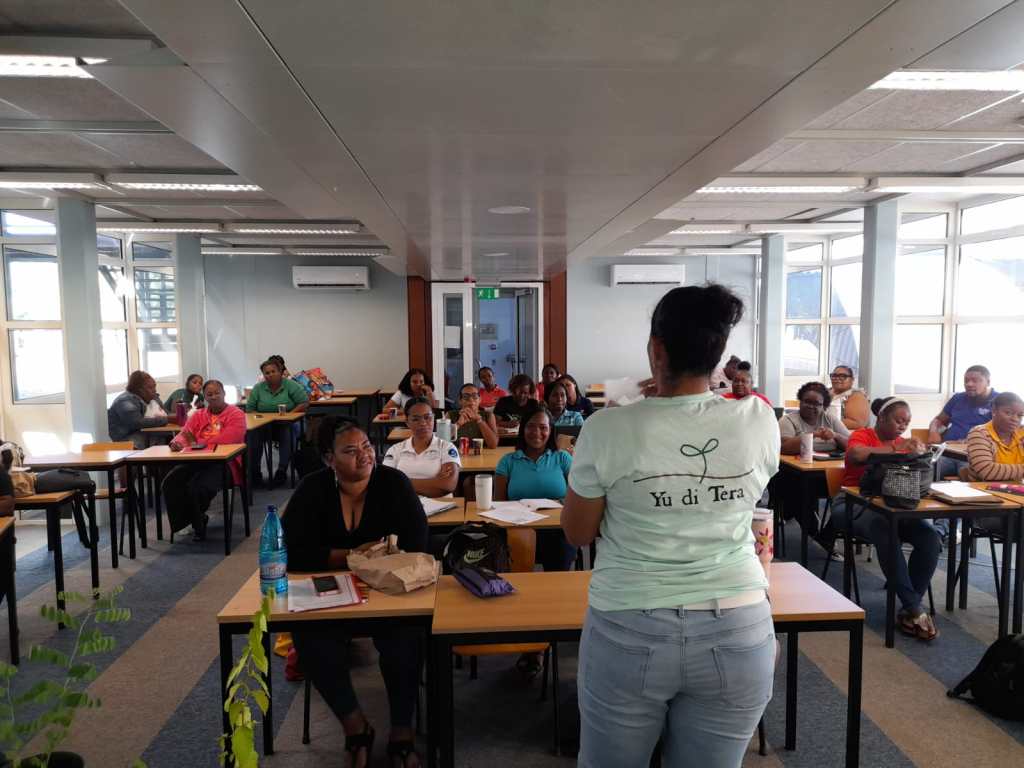
Education is the heartbeat of conservation, and Yu di Tera supports learning at every level to strengthen that connection. From sensory-based nature experiences for kindergarten students to specialized training for future educators at the teachers’ academy, the focus is on building environmental awareness and nurturing curiosity. By offering age-appropriate, engaging green subjects, Yu di Tera helps inspire a deeper understanding of the natural world and empowers the next generation to care for and protect their environment.
Field research
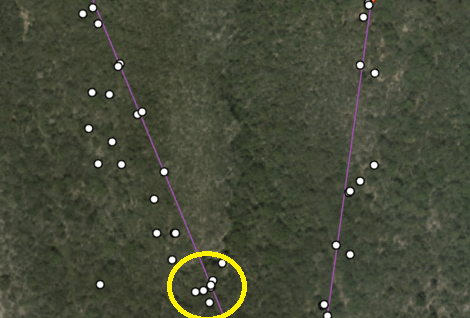
Field research services integrate systematic ecological surveys with detailed analysis to provide a clear understanding of local flora and fauna. By combining high-quality field observations with advanced GIS mapping, the process highlights key patterns, habitat dynamics, and environmental relationships within the project area. Comprehensive reporting translates complex ecological data into concise, actionable insights to support informed decision-making for conservation, planning, and environmental management.
Consultancy
Consultancy services help organizations navigate sustainability transitions, strengthen climate adaptation, and streamline processes for greater efficiency. By translating complex environmental challenges into clear, practical strategies, consultancy provides guidance on reducing impacts, building resilience, and aligning operations with future-proof standards. This approach supports informed decision-making, smoother implementation, and long-term sustainable growth.
Green classrooms
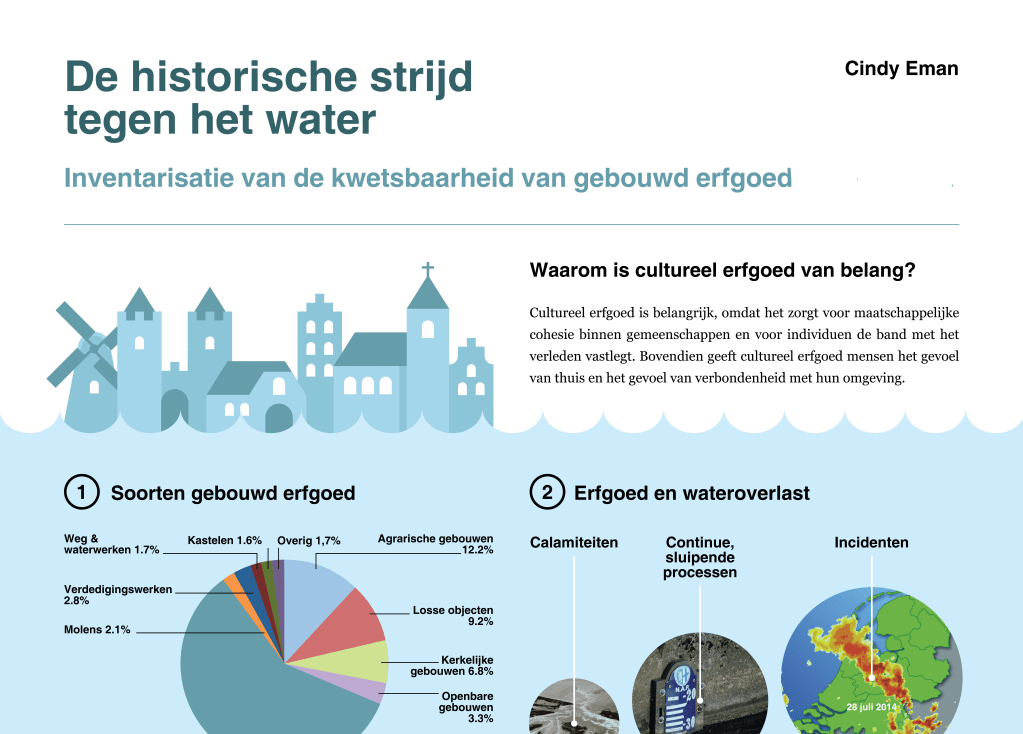
Yu di Tera supports schools in creating green classrooms and strengthening their sustainability curriculum. It offers guidance on integrating nature-based learning, improving environmental literacy, and developing practical, engaging activities that connect students with ecological themes. The approach helps schools embed sustainability into both their physical learning environments and their educational programs.
Neighborhood projects
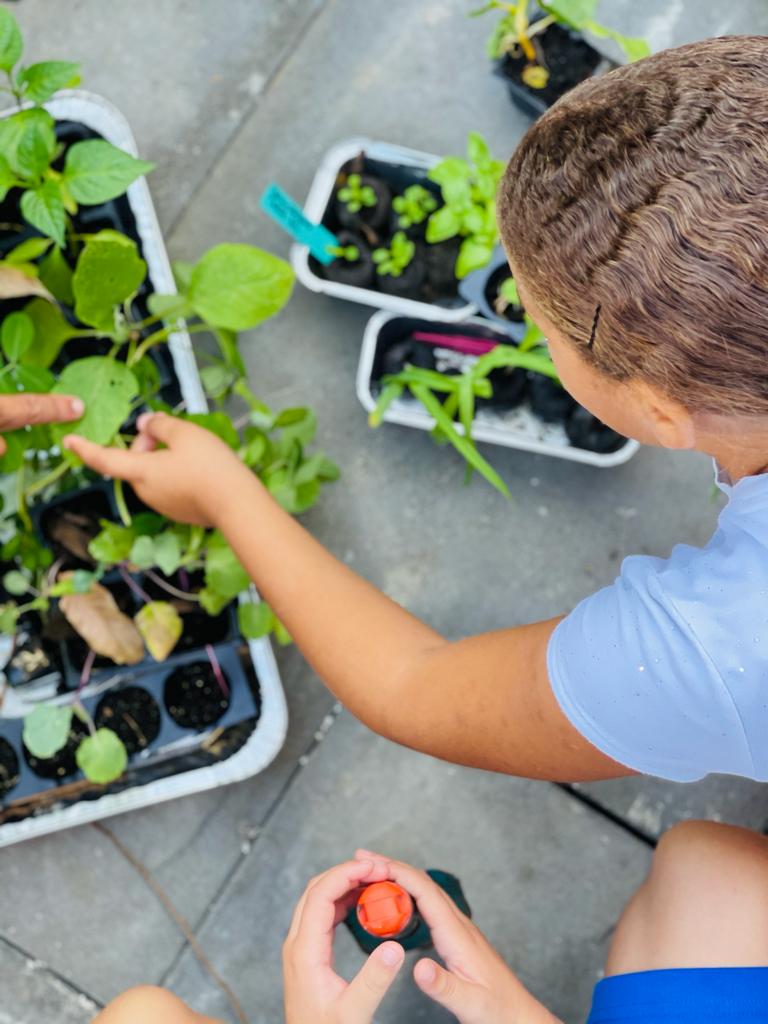
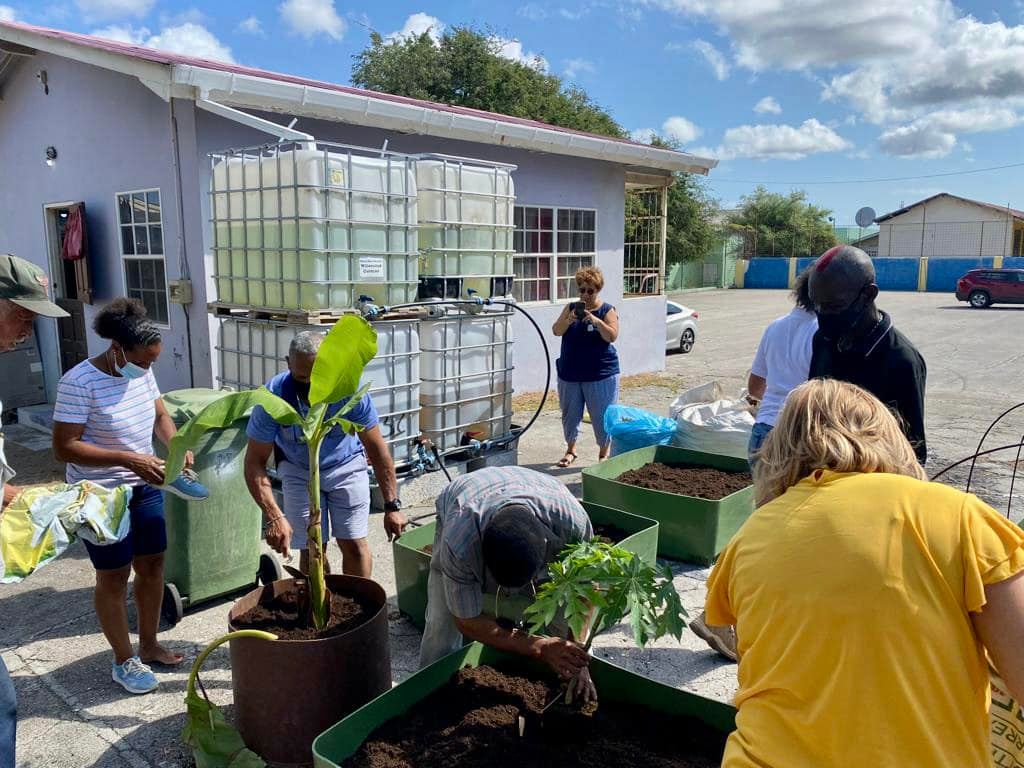
This service supports neighborhoods in developing green spaces and community gardens that enhance local well-being and ecological value. It provides guidance on planning, design, and community engagement, helping residents transform underused areas into vibrant, shared environments. The approach encourages collaboration, strengthens community ties, and promotes sustainable urban living.
 yuditera.com