Papiamentu below
Living on an island shapes almost every aspect of life — including the plants and animals that surround us. Curaçao’s nature is often described as tough, dry, and resilient, shaped by drought, wind, and salty soils. Yet beneath that rugged appearance lies a surprisingly delicate ecological balance, one that has been profoundly influenced by people for centuries.
But why do invasive species matter so much here? The short answer is that islands are uniquely vulnerable — but the longer answer is deeply tied to our own history.
Islands, isolation, and vulnerability
Islands like Curaçao evolved in relative isolation. Over time, this led to the development of species found nowhere else on Earth — endemic lizards, plants, snails, and birds that are finely tuned to local conditions. At the same time, island ecosystems often have fewer predators, competitors, and diseases than continental systems. This combination makes them both unique and fragile.
Scientific research consistently shows that islands are disproportionately affected by invasive alien species. Although islands cover only a small fraction of the Earth’s land surface, they host a large share of global extinctions linked to biological invasions (Masarikova, 2025).
Not all introductions were mistakes
It is important to say this clearly: many species were introduced out of necessity.
Curaçao is arid. Historically, food security depended on importing crops, livestock, and useful plants from elsewhere. Goats, fruit trees, medicinal plants, and crops such as aloe were essential for survival. Some of these species became naturalized and are now part of our cultural landscape.
But introduction rarely happens in isolation.
Plants arrive with soil, insects, fungi, and pathogens. Cargo ships, airplanes, ornamental plants, pets, and even building materials all act as pathways for unintended stowaways. Over time, some of these newcomers escape cultivation or captivity and establish themselves in the wild (van Buurt, 2024).
Understanding the terms: endemic, indigenous, exotic, and invasive
Discussions about invasive species often use terms that sound similar but mean very different things. Endemic species are species that occur naturally in only one specific place in the world — for Curaçao, this includes certain reptiles, plants, and land snails that evolved here and exist nowhere else. Indigenous (or native) species are species that occur naturally in an area but may also be found in other regions; they arrived without human assistance and are part of the original ecosystem. Exotic (or alien) species are species that have been introduced outside their natural range through human activity, whether intentionally (such as food crops or ornamental plants) or accidentally (for example insects arriving with imported goods). Importantly, not all exotic species are harmful. A species is considered invasive only when it spreads rapidly and causes negative impacts on native biodiversity, ecosystem functioning, human health, or the economy. On islands like Curaçao, where ecosystems evolved in isolation and have limited resilience, the transition from exotic to invasive can happen more quickly and with more severe consequences than in continental systems.
When alien becomes invasive
Not every non-native species becomes a problem. Many remain confined to gardens or urban spaces. Others survive but coexist without major impacts. A smaller — but critical — subset becomes invasive: spreading rapidly and causing ecological, economic, or public-health harm.
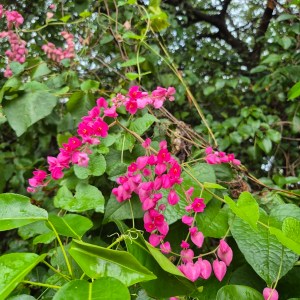
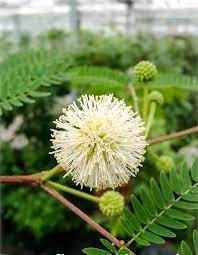
On Curaçao, well-known examples include invasive plants such as neem (Azadirachta indica) and coral vine (Antigonon leptopus), as well as animals like lionfish in the marine environment. These species can outcompete native vegetation, alter habitats, and disrupt food webs. Invasive alien species have also been linked to declines in coral reef health, increased fire risk, and pressures on endemic wildlife (van Buurt, 2024).
One key insight from recent research is that invasive species thrive especially well in human-modified landscapes. Irrigated gardens, wastewater-enriched soils, coastal development, and disturbed land create refuges where invasive species survive droughts and then spread into surrounding natural areas
A growing challenge in a globalized world
Today, the risk of new invasions is higher than ever. Trade is faster, tourism is constant, and biosecurity measures are limited. Curaçao imports most of its food and ornamental plants, and each shipment represents a potential introduction pathway.
At the same time, managing invasive species is difficult. Once a species is widespread, eradication becomes costly or impossible. This is why early detection is one of the most effective tools we have — a point emphasized repeatedly in both scientific literature and local policy advice.
Why Invasive Species Week matters
This is where Invasive Species Week comes in.
By asking the community to observe, photograph, and document species using tools like iNaturalist, we create a shared early-warning system. Each observation helps scientists and policymakers understand what is present, where it occurs, and whether action is needed.
Equally important, it builds awareness. Invasive species management cannot succeed without public involvement. Many high-impact invasive species are found close to homes, roads, gardens, and beaches — places people visit every day.
Looking forward: shared responsibility
The story of invasive species on Curaçao is not one of blame. It is a story of survival, globalization, and unintended consequences. Crops had to be brought in. Trade was unavoidable. But with better knowledge, coordination, and community engagement, we can reduce future risks and limit ongoing damage.
Islands teach us an important lesson: small systems respond quickly — for better or worse — to change. The choices we make today, and the observations we share, can help protect the unique nature that makes Curaçao home.
And that is exactly why your participation matters.
Join the City Nature Challenge Curacao Invasive Species Bioblitz week here!
Biba riba un isla ta forma kasi tur aspekto di bida — i esei ta inkluí e mata i animalnan ku ta rondó di nos. Naturalesa di Kòrsou hopi biaha ta ser deskribí komo no plasentero, seku, i resistente, formá pa sekura, bientu, i tera salu. Pero bou di e apariensia fuerte ei, tin un balansa ekológiko sorprendentemente delikado, un balansa ku a ser influensiá profundamente pa hende durante siglonan.
Pero pakiko espesie invasivo ta hasi tantu impakto aki? E kontesta kòrtiku ta, ku islanan ta únikamente vulnerabel, pero e kontesta largu ta konektá profundamente ku nos mes historia.
Islanan, aislamentu, i vulnerabilidat
Islanan manera Kòrsou a evolushoná den aislamentu relativo. Ku tempu, esaki a kondusí na desaroyo di espesie ku no ta haña na ningun otro parti riba tera — lagadishi, mata, kokolishi, i para endémiko ku ta akomodá na kondishonnan lokal. Na mes momentu, ekosistemanan di isla hopi biaha tin ménos bestia feros, ménos kompetensia i ménos malesanan ku sistemanan kontinental. E kombinashon ei ta hasi nan úniko, pero tambe frágil.
Investigashon sientífiko konsistentemente ta mustra, ku islanan ta afektá di manera desproporshonal pa espesie ekstranhero invasivo. Aunke islanan ta kubri solamente un frakshon chikí di superfisie di mundu, nan ta karga un porshon grandi di ekstinshonnan global konektá ku invashonnan biológiko (Masarikova, 2025).
No tur introdukshon tabata un fayo
Ta importante di bisa esaki kla: hopi espesie a ser introdusí pa nesesidat.Kòrsou ta un isla seku. Histórikamente, siguridat di kuminda tabata dependé di importashon di kultivo, animal i plantanan útil for di otro lugá. Kabritu, palu di fruta, planta medisinal, i kultivonan manera sentebibu tabata esensial pa sobrebibensia. Algun di e espesienan aki a naturalisá i awe ta parti di nos paisahe kultural.
Pero introdukshon kasi nunka ta ta sosodé den isolashon.
Mata ta yega ku tera, insekto, fungi, i patógeno (malesa). Barku di karga, avion, mata ornamental, bestia di kas i asta material di konstrukshon ta sirbi komo ruta pa “pasaheronan” no intenshonal. Ku tempu, algun di e bishitantenan nobo aki ta skapa nan area di kultivo òf kouchi i a establesé nan mes den naturalesa (van Buurt, 2024).
Komprondé e términonan: endémiko, indígena, eksótiko, i invasivo
Diskushonnan tokante espesie invasivo hopi biaha ta usa términonan ku ta zona meskos pero ta nifiká kosnan hopi diferente. Espesie endémiko ta espesie ku ta eksistí naturalmente na un solo lugá spesífiko den mundu — pa Kòrsou, esaki ta inkluí sierto reptil, planta, i kokolishi di tera ku a evolushoná aki i no ta eksistí na ningun otro lugá. Espesie indígena (òf nativo) ta espesie ku ta okurí naturalmente den un área pero por haña tambe na otro region; nan a yega sin asistensia humano i ta parti di e ekosistema original. Espesie eksótiko (òf ekstranhero) ta espesie ku a ser introdusí pafó di nan rango natural via aktividat humano, sea intenshonalmente (manera kultivo di kuminda òf mata ornamental) òf aksidentalmente (por ehèmpel insekto ku ta yega ku produkto importá). Importante pa nota: no tur espesie eksótiko ta dañino. Un espesie ta konsiderá invasivo solamente ora e ta plama lihé i ta kousa impakto negativo riba biodiversidat nativo, funshonamentu di ekosistema, salú humano òf ekonomia. Riba islanan manera Kòrsou, kaminda ekosistemanan a evolushoná den aislamentu i tin resistensia limitá, e transishon for di eksótiko pa invasivo por pasa mas lihé i ku konsekuensianan mas severo ku den sistemanan kontinental.
Ora ekstranhero bira invasivo
No tur espesie no-nativo ta bira un problema. Hopi ta keda limitá na kurá òf área urbano. Otronan ta sobreviví pero ta ko-eksistí sin impaktonan grandi. Un parti mas chikí — pero krítiko — ta bira invasivo: nan ta plama lihé i ta kousa daño ekológiko, ekonómiko òf di salú públiko.
Na Kòrsou, ehèmpelnan konosí ta inkluí matanan invasivo manera neem (Azadirachta indica) i beyísima (Antigonon leptopus), i tambe bestia manera lionfish den e ambiente marino. E espesienan aki por gana kompetensia ku vegetashon nativo, kambia habitat, i desorganisá kadena di alimentashon. Espesie invasivo a ser konektá tambe ku deteriorashon di salú di rif di koral, oumento di riesgo di kandela, i preshon riba founa endémiko (van Buurt, 2024).
Un deskubrimentu klave di investigashon resien, ta ku espesie invasivo ta prosperá spesialmente bon den paisahenan modifiká pa hende. Kurá ku irigashon, tera enrikesé ku awa di berpùt, desaroyo di kosta, i tereno “limpiá” ta krea refugionan, kaminda espesie invasivo ta sobreviví sekuranan i despues ta plama den áreanan natural serka.
Un reto ku ta krese den un mundu globalisá
Awor, e riesgo di invashonnan nobo ta mas haltu ku nunka. Komersio ta mas rápido, turismo ta konstante, i medidanan di bioseguridat ta limitá. Kòrsou ta importá mayoria di su kuminda i matanan ornamental, i kada karga ta representá un ruta potensial di introdukshon.
Alabes, maneho di espesie invasivo ta difísil. Ora un espesie ya ta hopi plamá, eradikashon ta bira kostoso òf imposibel. Esaki ta e motibu ku detekshon tempran ta un di e instrumentonan mas efektivo ku nos tin — un punto enfatisá repetidamente tantu den literatura sientífiko komo konsehonan di maneho lokal.
Pakiko Siman di Espesie Invasivo ta hasi un diferensia?
Aki ta kaminda Siman di Espesie Invasivo ta drenta.
Dor di pidi komunidat pa opservá, saká potrèt, i dokumentá espesie usando instrumento manera iNaturalist, nos ta krea un sistema di alerta tempran kompartí. Kada opservashon ta yuda sientífikonan i esnan responsabelnan di maneho komprondé kiko tei, unda e ta okurí, i si ta nesesario pa tuma akshon.
Igualmente importante, esaki ta krea konsientisashon. Maneho di espesie invasivo no por tin éksito sin involukrashon públiko. Hopi espesie invasivo ku tin impakto haltu ta ser haña serka di kas, kaya, kurá i playa — lugánan ku hende ta bishitá tur dia.
Mirando dilanti: responsabilidat kompartí
E historia di espesie invasivo na Kòrsou no ta un historia di mustra dede. E ta un historia di sobrebibensia, globalisashon i konsekuensianan no intenshonal. Tabatin mester di kuminda. Komersio tabata inevitabel. Pero ku mihó konosementu, koordinashon, i partisipashon di komunidat, nos por redusí futuro riesgonan i limitá daño kontinuo.
Islanan ta siña nos un lès importante: sistema chikí ta reakshoná lihé riba kambio — pa bon òf pa malu. E desishonnan ku nos tuma awe, i e opservashonnan ku nos ta kompartí, por yuda protehá e naturalesa úniko ku ta hasi Kòrsou kas.
I esei ta eksaktamente pakiko bo partisipashon ta importante. Partisipá na City Nature Challenge Curacao Invasive Species Bioblitz week aki!

 yuditera.com